The most consequential song in modern Gujarati cinema is Vhalam Aavo Ne from Love Ni Bhavai (2017), composed by Sachin-Jigar, sung by Jigardan Gadhavi and written by Niren Bhatt. Arijit Singh has recorded exactly one Gujarati song in his career, Satrangi Re from Wrong Side Raju, released on 23 August 2016. The oldest song here is Mane Marya Nenana Baan, sung by Geeta Dutt for Kariyavar in 1948, and the newest are Mann Mohan from Laalo and London Ke Limbdi from Umbarro, both 2025.
Gujarati cinema gets discussed as films. Almost never as songs. That is strange for an industry whose biggest cultural exports are four minutes long and travel further than the movies they came from. Vhalam Aavo Ne is played at weddings by people who have never seen Love Ni Bhavai. Gori Radha Ne Kalo Kaan is a folk line that predates the film it made famous. A Gujarati film can flop and still leave behind a song that outlives everyone who worked on it.
So this page changes the unit. Every entry here is one song, not one artist. Each carries the film it came from, the composer who scored it, the voice that sang it and the person who wrote the words, because in Gujarati music those four are almost never the same team twice. Sachin-Jigar composed nine of the songs on this list and used seven different lead voices to do it. That churn is the actual story of the modern Gujarati soundtrack, and you only see it when you stop ranking people and start ranking tracks.
The list at a glance
| Song | Film and year | Composer | Singer | Lyricist |
|---|---|---|---|---|
| Vhalam Aavo Ne | Love Ni Bhavai, 2017 | Sachin-Jigar | Jigardan Gadhavi | Niren Bhatt |
| Satrangi Re | Wrong Side Raju, 2016 | Sachin-Jigar | Arijit Singh and Dawn Cordo | Niren Bhatt |
| Gori Radha Ne Kalo Kaan | Wrong Side Raju, 2016 | Sachin-Jigar | Divya Kumar, and Kirtidan Gadhvi | Niren Bhatt |
| Peechha Raja | Bey Yaar, 2014 | Sachin-Jigar | Divya Kumar | Niren Bhatt |
| Kehvu Ghanu Ghanu Che | Chhello Divas, 2015 | Meghdhanush | Parthiv Gohil | Tushar Shukla |
| Chaand Ne Kaho | Chaal Jeevi Laiye, 2019 | Sachin-Jigar | Jigardan Gadhavi and others | Niren Bhatt |
| Maachhalio Ude | Vitamin She, 2017 | Mehul Surti | Darshan Raval | Raeesh Maniar |
| Asvaar | Hellaro, 2019 | Mehul Surti | Aishwarya Majmudar and Mooralala Marwada | Saumya Joshi |
| Vaagyo Re Dhol | Hellaro, 2019 | Mehul Surti | Bhoomi Trivedi | Saumya Joshi |
| Rangdariyo | Montu Ni Bittu, 2019 | Mehul Surti | Aishwarya Majmudar | Parth Tarpara |
| Raah Jue Shangar Adhuro | 21mu Tiffin, 2021 | Mehul Surti | Mahalakshmi Iyer | Parth Tarapara |
| Amba Re Amba | Ventilator, 2018 | Parth Bharat Thakkar | Aditya Gadhvi and Parthiv Gohil | Niren Bhatt |
| Utho Utho | Kehvatlal Parivar, 2022 | Sachin-Jigar | Aditya Gadhvi | Bhargav Purohit |
| Ude Re Gulaal | Kutch Express, 2023 | Sachin-Jigar | Bhoomi Trivedi and Keerthi Sagathia | Sneha Desai |
| Chal Taali Aap | Hurry Om Hurry, 2023 | Parth Bharat Thakkar | Armaan Malik and Aditya Gadhvi | Priya Saraiya |
| Dollariya Raja | Shubh Yatra, 2023 | Kedar and Bhargav | Geeta Rabari | Bhargav Purohit |
| London Ke Limbdi | Umbarro, 2025 | Mehul Surti | Falguni Pathak and Mehul Surti | Bhargav Purohit |
| Mann Mohan | Laalo, 2025 | Smmit Jay | Krishna Beuraa | Prem D Dave |
| Mor Bani Thanghat Kare | Goliyon Ki Raasleela Ram-Leela, 2013 | Hemu Gadhavi | Osman Mir | Jhaverchand Meghani |
| Pachhun Vali Ne Joyun Na | Bhavni Bhavai, 1980 | Gaurang Vyas | Bhupinder Singh | Dhiruben Patel |
| Dhuni Re Dhakhavi | Jesal Toral, 1971 | Avinash Vyas | Mahendra Kapoor | Avinash Vyas |
| Mehndi Te Vavi Malve | Mendi Rang Lagyo, 1960 | Avinash Vyas | Lata Mangeshkar and Pinakin Shah | Traditional folk |
| Mane Marya Nenana Baan | Kariyavar, 1948 | Ajit Merchant | Geeta Dutt | Chaitanya and Nandkumar Pathak |
How this list was built
Every credit on this page was read off the film's own record: the soundtrack section of the film article, or where a film has no soundtrack section, the released album listing named in the entry. Artist discographies were not used as a source, because they are the single biggest cause of wrong credits in Gujarati music. That rule cost three candidate songs. Chor Bani Thangaat Kare was dropped because its own film page contradicts itself, crediting the score to Parth Bharat Thakkar in the infobox and to Sachin-Jigar in the prose. Karsandas Pay and Use was dropped for the same reason, crediting Amar Mohile in the infobox and Kedar and Bhargav in the prose. Pankhi Re from Sharato Lagu was dropped because the album listing leaves the lyric credit blank and there is no honest way to fill it. Char Char Bangadi Vali is not on this list because it is not a film song, and because earlier research on this site found four different singers with released versions of it and a 2019 legal dispute over who owned it, which makes it a folk phrase rather than one person's record. Jai Jai Garavi Gujarat, composed by A. R. Rahman in 2010, is also excluded as a state anthem rather than a film song. One deliberate edge case survived: Mor Bani Thanghat Kare is a Gujarati-language song used in a Hindi film, and it is here because leaving it out would be a technicality dressed as a rule. A song is not a person, so every photograph on this page is a free licensed Wikimedia Commons portrait of the composer, the singer or a lead actor from that film, named as such in the alt text. Six further songs were researched and cut because no such photograph exists for anyone attached to them.
The songs that made Gujarati cinema listenable again
Seven tracks from the decade when a Gujarati film soundtrack stopped being an afterthought and started being a marketing plan.
1Vhalam Aavo Ne
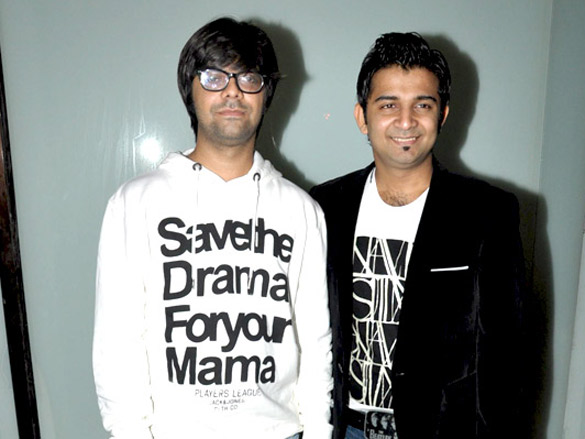
The Love Ni Bhavai album has seven tracks and only four melodies, because three of them are sad and reprise versions of the other two. Vhalam Aavo Ne is the original, five minutes and nineteen seconds of it, sung by Jigardan Gadhavi over a Sachin-Jigar arrangement with words by Niren Bhatt. The film page also lists a female sad version by Aishwarya Majmudar at two minutes twenty four and a male sad version at one minute forty four, which tells you how much weight the producers put on one tune carrying an entire release.
It worked to a degree nobody planned for. This is the Gujarati film song that escaped Gujarati film, the one played at weddings and sangeets by people who could not name the film, the director or the year. Most languages get one song a decade that does this. Gujarati got its one in 2017, and the industry has been quietly trying to manufacture a second one ever since.
Photo: Bollywood Hungama, CC BY 3.0, via Wikimedia Commons.
2Satrangi Re

This is the only Gujarati song Arijit Singh has ever recorded. It runs three minutes thirty nine, it was released on 23 August 2016 ahead of the film, and it puts the most bookable playback voice in India on a regional soundtrack for one track and then never again. Dawn Cordo shares the vocal. Sachin-Jigar composed it, Niren Bhatt wrote it, and the album it sits on runs twenty five minutes forty six seconds across six tracks, which was an unusually generous soundtrack for a Gujarati film in 2016.
The strategic point matters more than the song. Wrong Side Raju went on to win the National Award for Best Gujarati Film, and its producers had already decided that a regional film could buy a national voice for a single track and use that one credit as the whole campaign. Every Gujarati producer since has tried the same move. None has landed a bigger name.
Photo: Bollywood Hungama, derivative work by Begoon, CC BY 3.0, via Wikimedia Commons.
3Gori Radha Ne Kalo Kaan
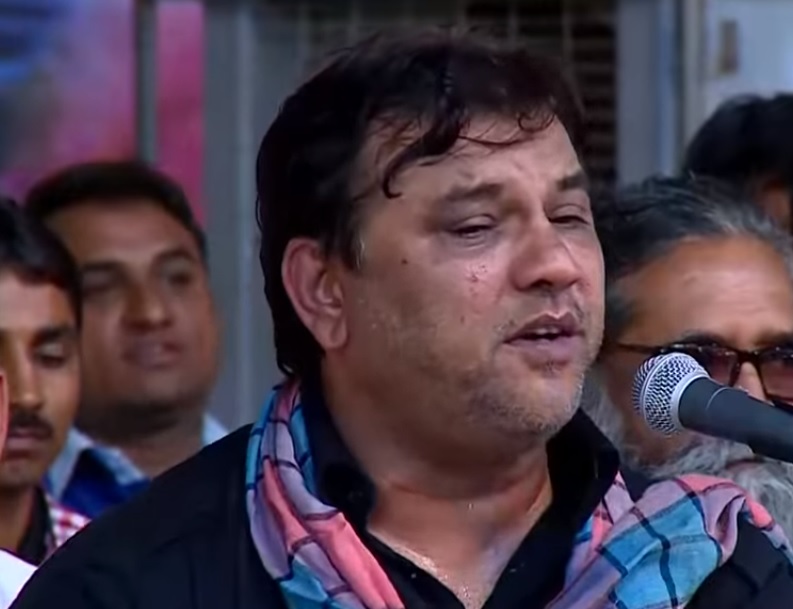
The Wrong Side Raju album carries this song twice. Divya Kumar sings the five minute eight second version, Kirtidan Gadhvi sings a five minute twenty six second one, and both sit on the same six track release. That is a deliberate hedge: one version built for a multiplex crowd, one built for people who already knew the folk line the title comes from.
The double cut is the most honest thing on any Gujarati soundtrack of that decade. It admits that the audience for a Gujarati film in 2016 was two audiences, that they wanted the same melody delivered by two completely different kinds of voice, and that nobody in the industry was confident enough to pick one. Sachin-Jigar simply recorded both and let the market decide.
Photo: Soni Anil Maheshbhai, CC BY-SA 4.0, via Wikimedia Commons.
4Peechha Raja

Bey Yaar has a four track soundtrack that runs sixteen minutes forty five seconds in total, released on 10 August 2014 through Cineman Productions. Peechha Raja is the pop track on it, three minutes fifty four, sung by Divya Kumar to a Sachin-Jigar arrangement and words by Niren Bhatt. At the 14th Transmedia Gujarati Screen and Stage Awards the film swept the music categories: Best Music to Sachin-Jigar, Best Lyrics to Niren H Bhatt and Best Male Singer to Darshan Raval, who sings on the album's opening track.
Bey Yaar ran fifty weeks in cinemas. That is the number people quote, and the soundtrack is a large part of why: four tracks, no filler, no reprises padding a thin album. Compare it to the eleven track Aum Mangalam Singlem release eight years later, where five of the eleven are versions of two songs, and you can watch the industry learn to inflate a tracklist.
Photo: DJDivyaKumar, CC BY-SA 4.0, via Wikimedia Commons.
5Kehvu Ghanu Ghanu Che

The Chhello Divas soundtrack is the shortest release on this page and one of the strangest. Two songs. Seven minutes forty one seconds of music for a film that changed the box office. Kehvu Ghanu Ghanu Che runs four minutes twenty of that, sung by Parthiv Gohil, with the album credited to the Ahmedabad band Meghdhanush and the film crediting Harsh Trivedi and Parth Bharat Thakkar alongside them. Tushar Shukla wrote both lyrics.
A Gujarati poet writing for a college comedy is the part worth pausing on. Shukla is a broadcaster and a published poet, not a film lyricist by trade, and hiring him for a film about hostel boys was the sort of decision that only makes sense if you believe the audience will notice. They did. The song is the emotional exit of the film and it is carried entirely by the words.
Photo: Snehrashmi, CC BY-SA 4.0, via Wikimedia Commons.
6Chaand Ne Kaho

The Chaal Jeevi Laiye album was released on 21 January 2019, runs seventeen minutes twenty one seconds across five tracks, and gives Chaand Ne Kaho five minutes nineteen of that. Three voices share it: Jigardan Gadhavi, Sachin Sanghvi of the composing duo, and Tanishkaa Sanghvi. There is also an unplugged version at three minutes forty eight, sung by Sanghvi alone, which is what a label does when it knows a melody has legs.
Chaal Jeevi Laiye took the Gujarati box office record and held it. Its soundtrack is the clearest example of the Sachin-Jigar method in this language: one folk-leaning voice for authority, one film-industry voice for polish, and a reprise to keep the song in rotation for another month. Pa Pa Pagli on the same album is sung by Sonu Nigam, which was the second national name the film bought.
Photo: Nizil Shah, CC BY-SA 4.0, via Wikimedia Commons.
7Maachhalio Ude

Darshan Raval is the biggest pop star Gujarat has produced and he has barely recorded in Gujarati. Maachhalio Ude is one of the few, three minutes ten seconds on the Vitamin She soundtrack, composed by Mehul Surti to words by the poet and ghazal writer Raeesh Maniar. The album was released on 19 July 2017 through Zee Music and runs eighteen minutes fifty three seconds across six tracks.
The interesting name on that album is not Raval, it is Maniar, who wrote four of the six songs. Gujarati cinema keeps borrowing from Gujarati literature when it wants a soundtrack to feel like it belongs to the language rather than to a genre. Surti does this repeatedly across his career, and it is the single clearest difference between his soundtracks and the imported Mumbai ones.
Photo: Bollywood Hungama, CC BY 3.0, via Wikimedia Commons.
The soundtracks that treated the score as authorship
Where the composer is not decorating the film but arguing with it.
8Asvaar

The entire Hellaro soundtrack is four tracks and eighteen minutes forty four seconds. Asvaar takes four minutes three seconds of that and puts Aishwarya Majmudar next to Mooralala Marwada, a Sufi folk singer from Kutch who sings in a tradition that predates the film industry by centuries. Mehul Surti composed it. Saumya Joshi, the playwright who also wrote the film's dialogue and additional screenplay, wrote the words.
Casting Marwada was not a nostalgia move. Hellaro is a film about women who are forbidden to sing and dance, and the score had to sound like something that existed before the prohibition rather than something written to comment on it. That is why the album is four tracks long and not eleven. Hellaro won the Swarna Kamal, and this is the only Gujarati soundtrack attached to a film that has.
Photo: Joseph N D, CC BY-SA 4.0, via Wikimedia Commons.
9Vaagyo Re Dhol
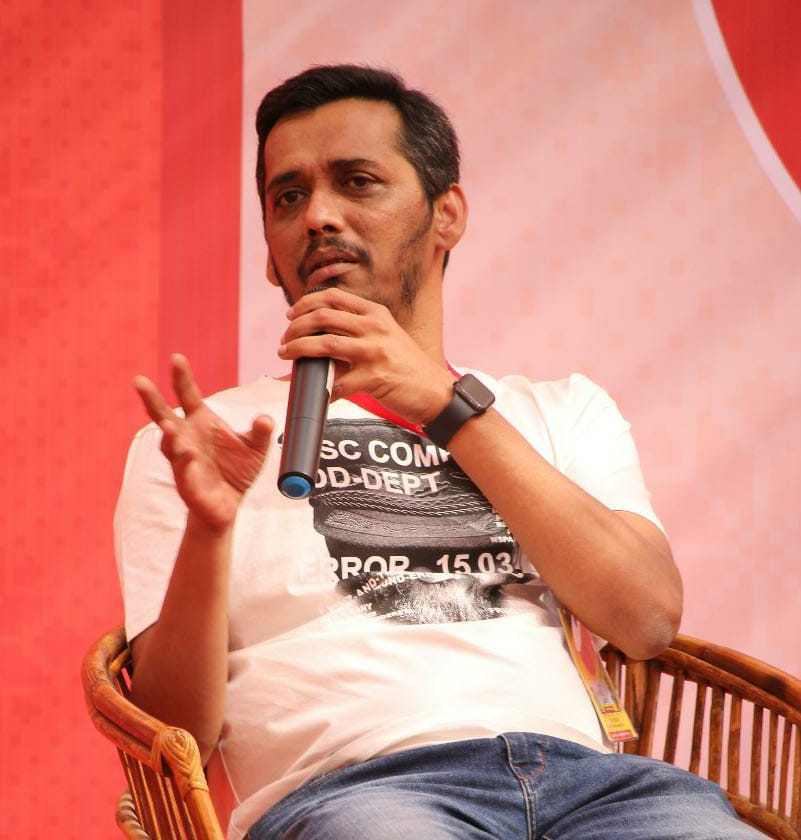
Four minutes ten seconds, sung by Bhoomi Trivedi, and structurally the loudest thing on a very restrained album. The Hellaro tracklist reads Asvaar, Haiyaa, Sapna Vinani Raat, Vaagyo Re Dhol, in that order, and the drum finally arrives last. Aditya Gadhvi sings Sapna Vinani Raat and adds backing vocals to Haiyaa, so three of the four tracks lean on voices that came off the folk circuit rather than the film circuit.
The title means the drum has sounded. In a film where the entire plot turns on women being permitted to move, putting that song at the end of the album is a piece of sequencing that does the same work as an edit. Most Gujarati soundtracks are compiled. This one is arranged.
Photo: Imfarhad7, camera owner A. M. Pathan, CC BY-SA 4.0, via Wikimedia Commons.
10Rangdariyo
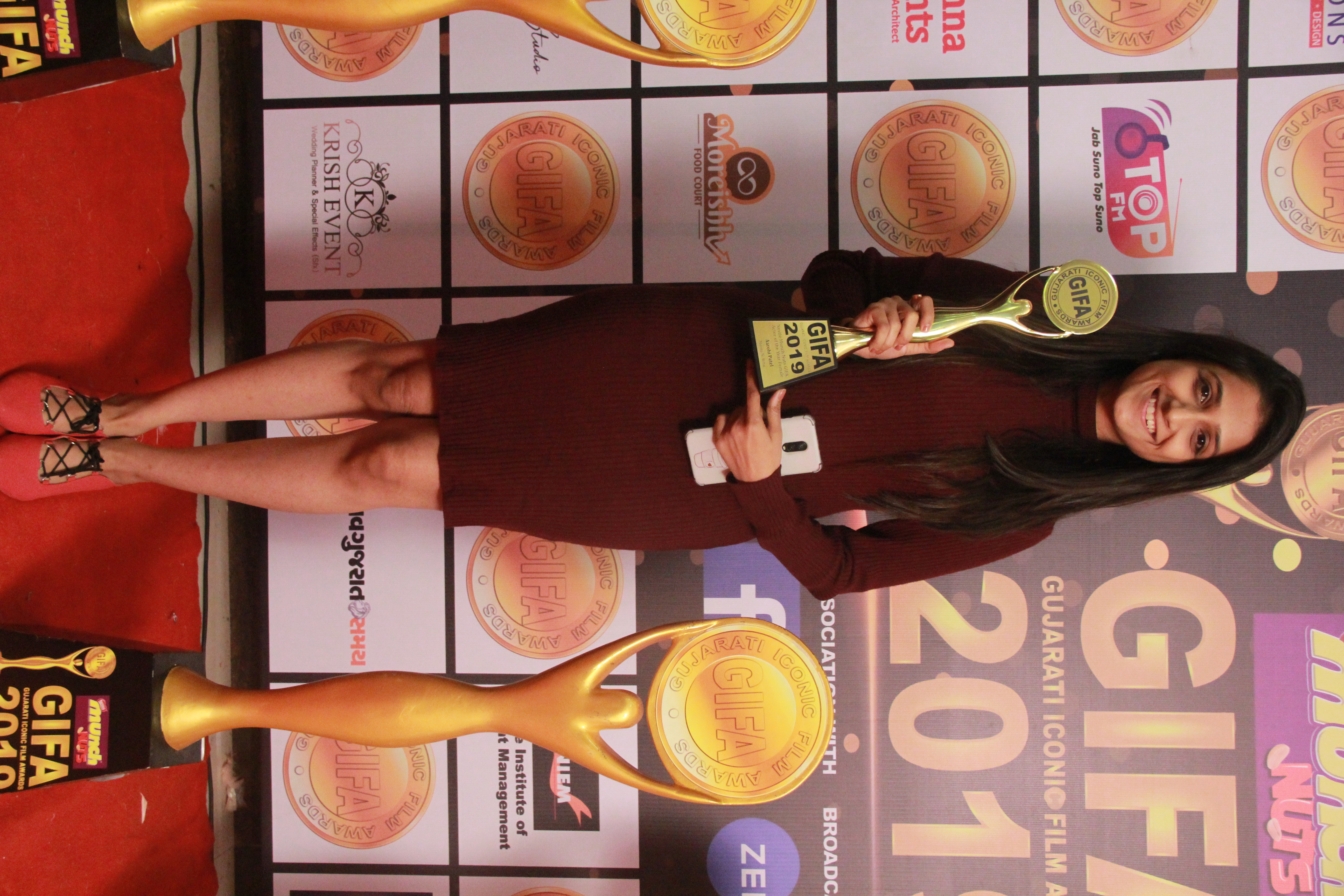
Montu Ni Bittu carries twenty minutes twenty eight seconds of music across six tracks, and it is the most literary tracklist of the modern era: five different lyricists across six songs, including the poets Milind Gadhavi and Dilip Dave, and Chirag Tripathi. Rangdariyo opens it at four minutes twenty three, sung by Aishwarya Majmudar with Mehul Surti himself on backing vocals.
Hiring five lyricists for six songs is either indecision or a thesis. Here it is a thesis. Each song in the film sits in a different register, the wedding song Gholu Gholu is sung by Nutan Surti as a lagnageet, and the album refuses to sound like one product. Producers rarely allow this, which is why almost no other Gujarati soundtrack looks like it.
Photo: Farhad Shaikh, CC BY-SA 4.0, via Wikimedia Commons.
11Raah Jue Shangar Adhuro
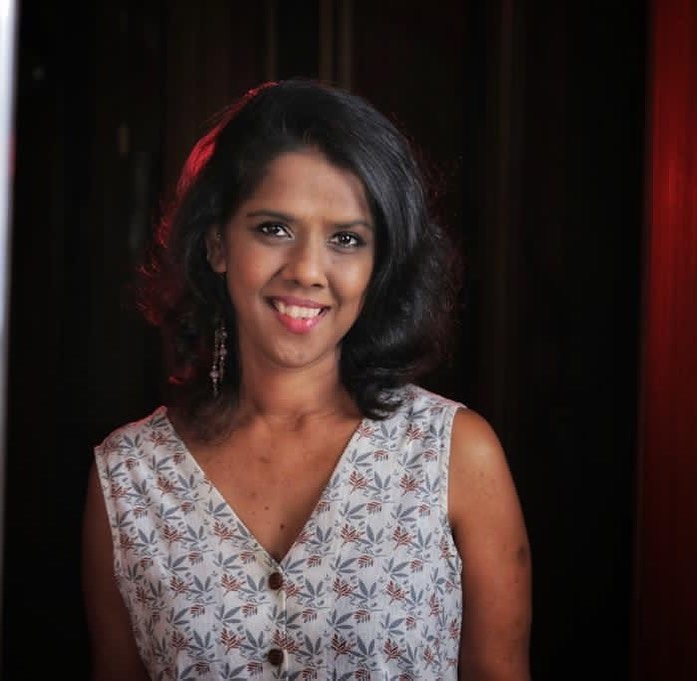
This is the whole soundtrack. One song, three minutes twenty six seconds, sung by Mahalakshmi Iyer, composed by Mehul Surti to words by Parth Tarapara, produced by Twinkle Vijaygiri under Vijaygiri Filmos. There is no second track. In an industry that pads albums with sad versions and symphony versions, a film that releases exactly one song is making a statement about how much music its story can carry.
21mu Tiffin is adapted from Raam Mori's writing and it is a small, interior film. A five song album would have flattened it. The decision to release three and a half minutes of music and stop is the kind of restraint that gets called a limitation when a small film does it and called taste when a big one does.
Photo: Ashwin Srinivasan, CC BY-SA 4.0, via Wikimedia Commons.
12Amba Re Amba
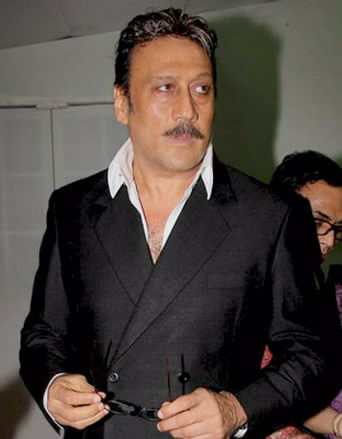
Released on 23 August 2018 through Irada Entertainment, the Ventilator soundtrack is three songs and fifteen minutes thirty eight seconds. Amba Re Amba is the longest at four minutes forty four, a garba built for a film about a family waiting in a hospital, sung by Aditya Gadhvi and Parthiv Gohil together. Parth Bharat Thakkar composed all three. Niren Bhatt wrote all three.
Pairing Gadhvi with Gohil twice on the same album, on Amba Re Amba and again on Bhada Na Makan Ma, is a producer betting that the combination is the product. One voice belongs to the Navratri ground, the other to the recording studio, and the friction between them is the entire texture of the record. Jackie Shroff led the film, which is the sort of casting a Gujarati production could not have afforded five years earlier.
Photo: Bollywood Hungama, CC BY 3.0, via Wikimedia Commons.
13Utho Utho

The Kehvatlal Parivar album came out on 2 April 2022 through Zen Music Gujarati, runs sixteen minutes forty one seconds across five tracks, and opens with Utho Utho at three minutes fifteen, sung by Aditya Gadhvi. Bhargav Purohit wrote every word on the album. Holi Aavi Aavi on the same record stacks five singers on one track, including Divya Kumar, Bhoomi Trivedi and Hariom Gadhvi.
What makes this album worth reading is the second track. Vahurani is sung by Falguni Pathak, who almost never does playback, and it sits three minutes thirty five on a mainstream family comedy. Between Gadhvi opening the album and Pathak on track two, the producers assembled a soundtrack out of people whose actual audience is a Navratri ground, not a cinema hall, and then sold it as a film.
Photo: Imfarhad7, CC BY-SA 4.0, via Wikimedia Commons.
14Ude Re Gulaal

The Kutch Express album was released on 14 December 2022 under the Gujarati Jalso label, ahead of the film's 6 January 2023 opening. Ude Re Gulaal is its longest track at five minutes two seconds, a duet between Bhoomi Trivedi and Keerthi Sagathia. Sachin-Jigar composed all three tracks. Sneha Desai, who is a playwright first, wrote all three.
Kutch Express won Manasi Parekh the National Award for Best Actress. Its soundtrack is only three songs, which by 2023 had become the confident length rather than the cheap one. The label credit is the detail worth noticing: Gujarati Jalso is a Gujarati streaming operation, not a Mumbai music company, and by this point it was releasing the soundtracks of the language's most awarded films.
Photo: Satdeep Gill, CC BY-SA 4.0, via Wikimedia Commons.
The current wave
Four songs from the last three years, where the soundtrack is now sold before the film is.
15Chal Taali Aap
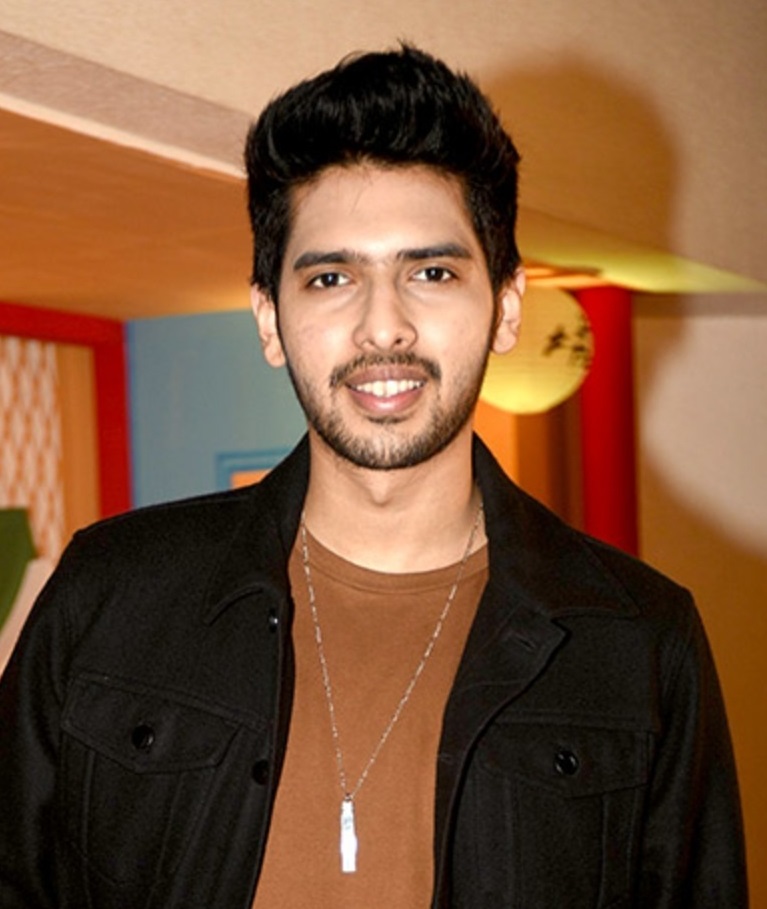
Released on 11 October 2023 through Everest Entertainment, the Hurry Om Hurry soundtrack runs fifteen minutes eleven seconds across four tracks and spreads them across four different lyricists and four completely different vocal registers. Chal Taali Aap is exactly four minutes and pairs Armaan Malik with Aditya Gadhvi. Priya Saraiya wrote it. Parth Bharat Thakkar composed the album.
The other three tracks tell you the strategy. Kirtidan Gadhvi and Bhoomi Trivedi take Vahlida, Salim Merchant of Salim-Sulaiman takes Malki Re, and Shekhar Ravjiani takes Kinare. Four songs, four separate national or regional draws, which is a soundtrack designed as four marketing assets rather than one album. It is the most efficient version of the model Wrong Side Raju started in 2016.
Photo: Bollywood Hungama, CC BY 3.0, via Wikimedia Commons.
16Dollariya Raja

Two minutes nineteen seconds, the shortest song on this page, sung by Geeta Rabari on a Shubh Yatra album that runs twelve minutes thirty across four tracks and was released on 21 April 2023 through Shemaroo. Kedar and Bhargav composed it. Bhargav Purohit wrote every lyric on the album, which he does often enough that he is effectively the house writer of that composing team.
Shubh Yatra is a film about the visa queue, about families trying to leave Gujarat for America, and Dollariya Raja is the song that names the thing directly. Casting Rabari for it is pointed. Her audience is rural and enormous, and putting her voice on a satire about the dollar dream aims the joke at exactly the households the film is about.
Photo: Soni Anil Maheshbhai, CC BY-SA 4.0, via Wikimedia Commons.
17London Ke Limbdi

Falguni Pathak has spent thirty years being the biggest live draw in Gujarati music and almost never appears on a film soundtrack. She opens this one. London Ke Limbdi runs a full five minutes, she shares it with the composer Mehul Surti, and Bhargav Purohit wrote it. The Umbarro album runs fifteen minutes five seconds across three tracks and Surti sings on all three.
The film is about Gujarati women and the doorway, the umbaro, they are expected not to cross, and the album is built almost entirely on women's voices, with Shruti Pathak taking the six minute seven second title song. Getting Falguni Pathak onto a film soundtrack in 2025 required a film that was actually about her audience. That is a casting decision and a thesis at the same time.
Photo: Bollywood Hungama, CC BY 3.0, via Wikimedia Commons.
18Mann Mohan
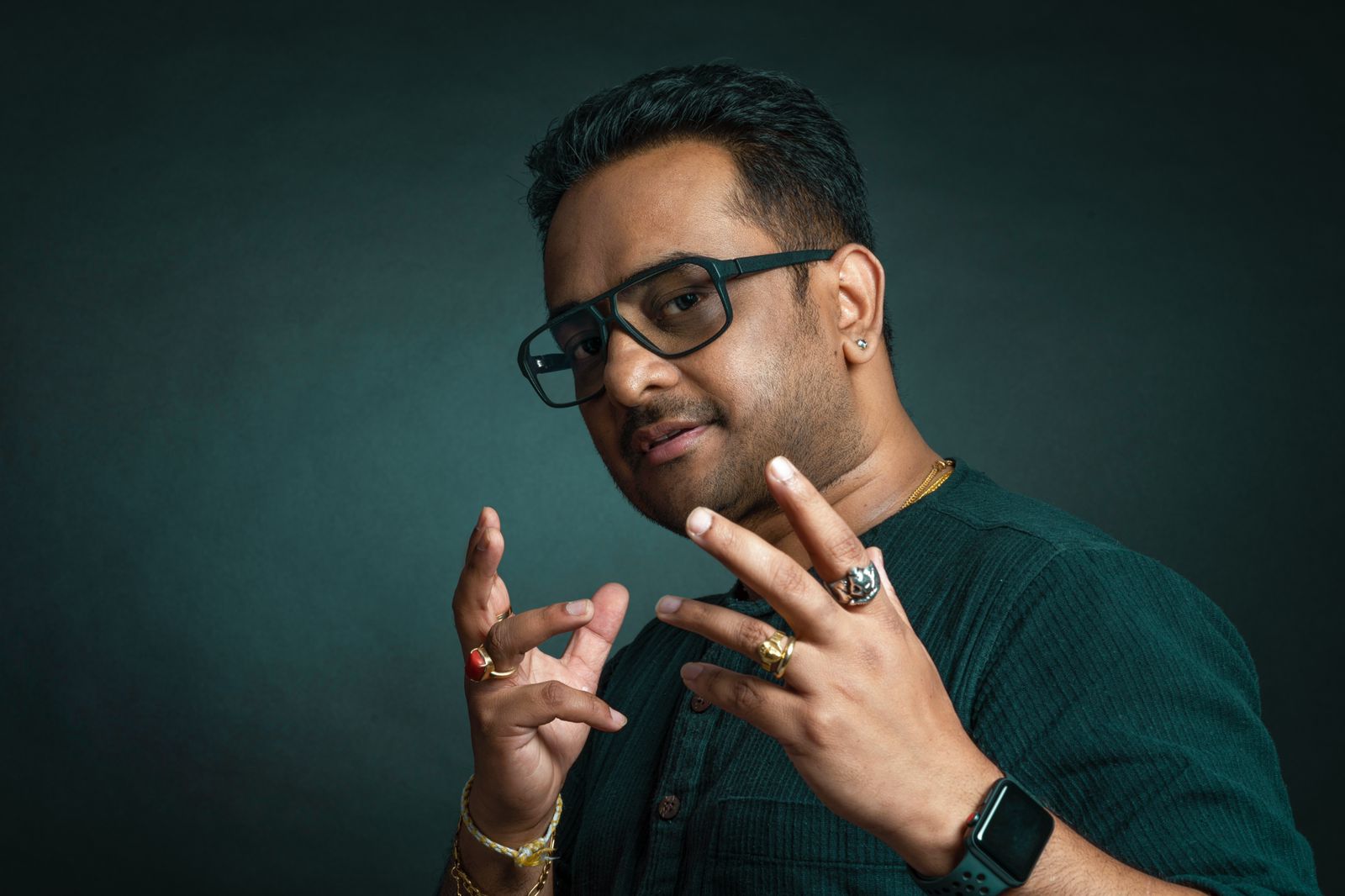
Seven minutes nineteen seconds, the longest single track on this page, sung by Krishna Beuraa and placed first on a seven track album that runs thirty one minutes one second. Smmit Jay composed all seven. Prem D Dave wrote six of them and the seventh, Dwarika No Naath, is a traditional composition recreated by Jay and sung by Jaysinh Gadhavi. The label is Gujarati Jalso.
Laalo is a devotional film that opened on 10 October 2025 in Gujarati and 9 January 2026 in Hindi, and its soundtrack is the biggest single body of new Gujarati film music in years. Kirtidan Gadhvi sings two of the seven, Aishwarya Majmudar and Parthiv Gohil and Divya Kumar take one each. It is a record that assembles nearly every name on this site's playback list into one album.
Photo: Krupasindhu Muduli, CC BY-SA 4.0, via Wikimedia Commons.
Before the revival, the songs the language never gave up
Five recordings from 1948 to 2013 that survived the decades when Gujarati cinema itself barely did.
19Mor Bani Thanghat Kare

This is the one entry on the list that is not from a Gujarati film, and cutting it would have been a technicality. Jhaverchand Meghani heard Rabindranath Tagore perform Navavarsha at his Calcutta home in 1920. He wrote the Gujarati version in 1944, three years after Tagore died, and published it in the anthology Ravindra-Veena. Hemu Gadhavi later set it to music in the traditional Charan tone.
In 2013 Sanjay Leela Bhansali put it over the title credits of a Hindi film, sung by the Gujarati folk singer Osman Mir. Chetan Gadhvi and Ashit Desai have also recorded it. A seventy year old translation of a Bengali poem, sung in Gujarati, opening a Hindi blockbuster, is the most Gujarati thing on this page: the language keeps getting into rooms it was not invited to by simply sounding better than the alternative.
Photo: Gazal world, CC BY-SA 4.0, via Wikimedia Commons.
20Pachhun Vali Ne Joyun Na

Ketan Mehta's Bhavni Bhavai carries fifteen minutes three seconds of music across four songs, and every word of it was written by the novelist Dhiruben Patel. Pachhun Vali Ne Joyun Na runs three minutes thirty nine, sung by Bhupinder Singh, composed by Gaurang Vyas. Preeti Sagar and Praful Dave take the other three between them, including the five minute fifty six second Ranglo Aave Raja Ranglo Aave.
This is the soundtrack of the film that gave Gujarati cinema a conscience, made in the year the industry was otherwise living on subsidy. Hiring a major Gujarati novelist to write four songs, then handing them to a Mumbai ghazal voice and a folk singer, is the closest thing the language has to a parallel cinema score. Naseeruddin Shah, Om Puri and Smita Patil are in the film, which tells you who was paying attention in 1980.
Photo: Ifpofficial, CC BY-SA 4.0, via Wikimedia Commons.
21Dhuni Re Dhakhavi

Jesal Toral was released on 23 January 1971 with an eight song soundtrack running twenty three minutes fifty six seconds, issued by Saregama. Avinash Vyas wrote and composed all of it, which is rare anywhere and was normal for him. Dhuni Re Dhakhavi opens the album at two minutes fifty, sung by Mahendra Kapoor. Asha Bhosle, Suman Kalyanpur and Diwaliben Bhil sing elsewhere on the same record.
The film is the Kathiawari legend of the bandit and the saint, and its songs are still sung at dayros by people who have never watched it. That is the honest test of a film song in this language. Vyas produced hundreds of these; this album is the one that stayed in circulation for fifty five years without a single reissue campaign behind it.
Photo: Ministry of Information and Broadcasting, Government of India, GODL-India, via Wikimedia Commons.
22Mehndi Te Vavi Malve

Mendi Rang Lagyo has a ten track soundtrack and Lata Mangeshkar sings on seven of them. Mehndi Te Vavi Malve appears twice: once as a garbo at six minutes twenty two with Pinakin Shah and chorus, and once as a three minute duet with Manna Dey. The song's lyric is credited as traditional folk. Avinash Vyas composed the album, and also wrote the words for the first three tracks.
The rest of that cast is startling for a regional film in 1960: Manna Dey, Mohammed Rafi and Mahendra Kapoor all sing on it. The film was released in the year Gujarat became a state and it took the first National Award for a Gujarati film. This is the moment the language proved it could hire the entire Bombay playback establishment and still sound like itself.
Photo: Bollywood Hungama, CC BY 3.0, via Wikimedia Commons.
23Mane Marya Nenana Baan

Kariyavar was produced by Sagar Movietone in 1948, directed by Chaturbhuj Doshi, and carries nine songs. Ajit Merchant composed them, Chaitanya and Nandkumar Pathak wrote them, and Geeta Dutt sings on five, including this one at three minutes ten seconds. Merchant sings on two himself, alongside Meena Kapoor. Mukesh appears on one duet.
Nineteen forty eight is the year twenty six Gujarati films were released, the industry's first real boom, and this album is what that boom sounded like. Geeta Dutt was twenty and had not yet become the voice everybody now remembers. The oldest recording on this page is also the one with the youngest singer on it, which is the sort of accident that only shows up when you go and read the credits.
Photo: Photographer not recorded, public domain, via Wikimedia Commons.
What the numbers say
How much music a Gujarati film actually carries, by total album running time
Total album running times as stated on each film's own soundtrack listing. This is a length chart, not a quality ranking. It exists because it exposes the padding: Aum Mangalam Singlem tops it with eleven tracks, five of which are alternate versions of two songs, while Hellaro says what it needs to in four.
Questions people actually ask
What is the most famous Gujarati film song?
Vhalam Aavo Ne from Love Ni Bhavai (2017), composed by Sachin-Jigar, sung by Jigardan Gadhavi and written by Niren Bhatt. It is the modern Gujarati film song that travelled furthest outside cinema, into weddings and sangeet playlists, and the album carries three further versions of the same melody.
Has Arijit Singh sung a Gujarati song?
Once. Satrangi Re from Wrong Side Raju, shared with Dawn Cordo, composed by Sachin-Jigar to lyrics by Niren Bhatt. It runs three minutes thirty nine seconds and was released on 23 August 2016. He has not recorded another Gujarati track since.
Who writes the lyrics for most Gujarati films?
Niren Bhatt and Bhargav Purohit carry the bulk of the modern era between them. Bhatt wrote every song on Bey Yaar, Wrong Side Raju, Chaal Jeevi Laiye, Ventilator and Aum Mangalam Singlem. Purohit wrote every song on Kehvatlal Parivar, Naadi Dosh, Shubh Yatra and Umbarro. Poets and playwrights take the rest, including Saumya Joshi on Hellaro, Tushar Shukla on Chhello Divas and Sneha Desai on Kutch Express.
Is Char Char Bangadi Vali a Gujarati film song?
No. It is a non-film Gujarati track most associated with Kinjal Dave, and it became the subject of a legal dispute in 2019. Research for this site found four different singers with released versions of it, which is why this page treats it as a folk phrase in circulation rather than one artist's composition, and leaves it off a film songs list.
Which Gujarati film has the longest soundtrack?
Aum Mangalam Singlem (2022) at thirty two minutes fifty nine seconds across eleven tracks, released 9 November 2022. Laalo (2025) is second at thirty one minutes one second across seven. The shortest belongs to 21mu Tiffin (2021), which released exactly one song of three minutes twenty six seconds.
Sources and image credits
All photographs are free-licensed files from Wikimedia Commons, reused with the attribution each licence requires. No press agency or studio photographs are hosted on this site. Instagram content is linked or embedded from the official account, never re-hosted.
- English Wikipedia film articles and their soundtrack sections, retrieved July 2026
- Released album listings named on each film page, including JioSaavn and Saregama catalogue entries cited there
- National Film Awards records as cited on the relevant film pages
- Wikimedia Commons file pages for licence, author and date of every photograph used